No products in the cart.

Uncategorized
5 Common Air Supply Problems That Hurt Pneumatic Mixer Performance
05
May
May
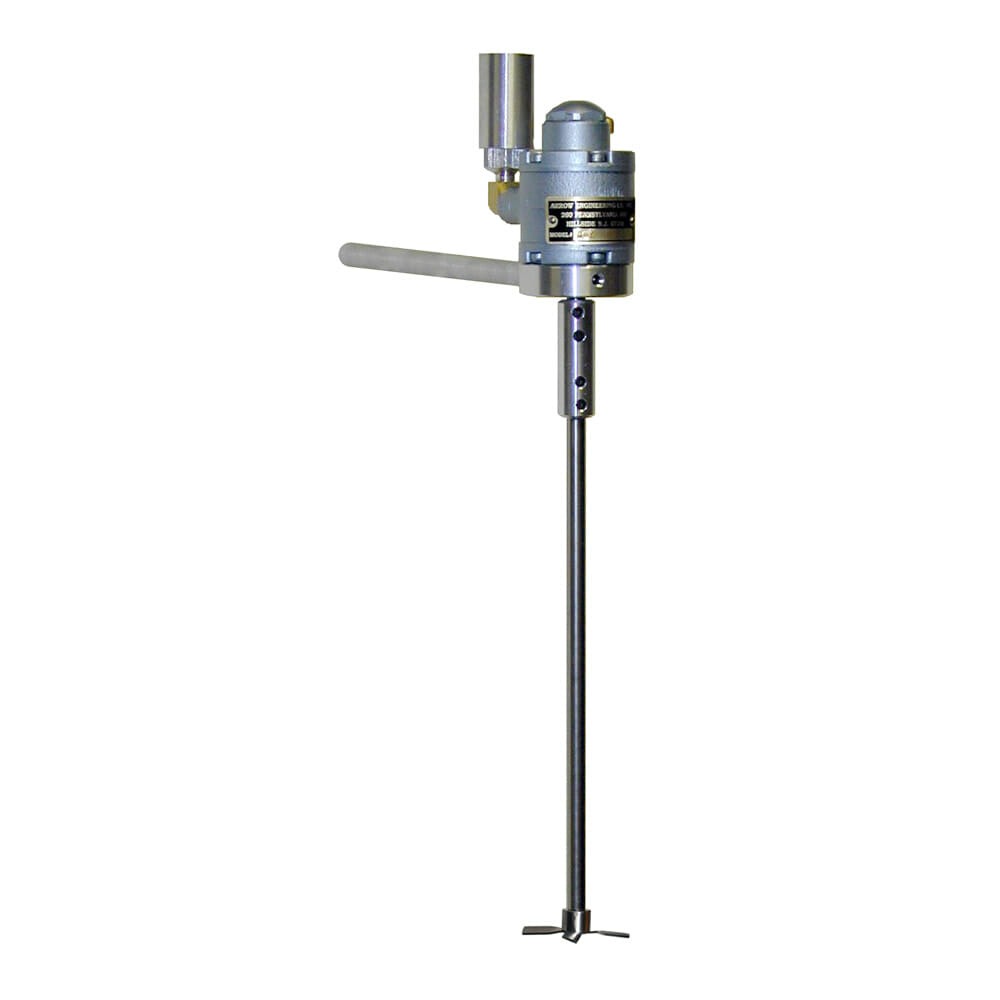
Pneumatic mixers are a smart choice for professional environments where safety, control, and reliability matter. In chemical engineering operations, laboratories, cosmetic labs, and similar applications, air mixers are often preferred because they remove the ignition risks associated with electrical equipment in areas where volatile materials may be present. However, even high-quality mixers can fall short when the air supply is inconsistent or poorly maintained. When compressed air is dirty, unstable, or improperly regulated, mixer speed can vary, torque can drop, and internal components can wear out faster. Knowing what to look for can help teams protect their equipment and get better long-term use from their mixing products.
1. Low Air Pressure Reduces Mixing Power
One of the most common problems behind poor pneumatic mixer performance is low air pressure. A mixer may still run, but it may not deliver enough torque to keep materials moving properly, especially in more demanding applications. This can show up as slow startup, weak agitation, or difficulty maintaining the right speed under load.
In a lab or production setting, low pressure can lead to inconsistent results and lost time. Operators may try to compensate by adjusting controls, but the real issue is often the air supply itself. If the system cannot maintain the pressure needed for the mixer, performance will suffer. This is why it is important to confirm that the air source, regulator, and line setup meet the application’s needs.
2. Dirty Air Can Damage the Motor Over Time
Compressed air is not always clean. Moisture, debris, and fine particles in the line can slowly damage internal motor components and reduce efficiency. This kind of issue may not cause an immediate breakdown, which makes it easy to miss at first. Instead, the mixer may start running roughly, feel less responsive, or gradually lose performance.
For professional applications, that quiet wear can become costly. Arrow Mixing Products recommends using a filter/regulator on the air supply to protect the motor and maintain smoother operation. Clean air is not just a maintenance detail. It plays a direct role in preserving mixer reliability and extending service life.
3. Poor Lubrication Increases Wear
Another common issue is inadequate lubrication. Pneumatic motors rely on proper lubrication to reduce friction and keep internal parts moving freely. Without it, wear increases quickly, and the mixer may begin running hotter, louder, or less consistently.
This matters even more in facilities where mixers are used every day or for long operating cycles. An air-line lubricator can help support long motor life and reduce unnecessary strain on the equipment. In many cases, teams focus on the mixer itself without realizing how much the air supply setup affects performance. If the goal is reliable operation, lubrication should not be overlooked.
4. Pressure Fluctuations Lead to Inconsistent Results
A pneumatic mixer needs a steady air supply to deliver consistent performance. If plant air pressure rises and falls throughout the day, the mixer speed can change even when the controls stay the same. This often happens when several pieces of equipment share the same compressed air system.
In laboratories, cosmetic labs, and chemical engineering environments, those speed changes can affect process timing, consistency, and overall results. A mixer that performs well during one shift may behave differently during another because of changing air demand elsewhere in the facility. Checking for overloaded compressors, shared lines, or undersized hoses can often reveal the problem.
5. Restrictive Components Can Hold the Mixer Back
Sometimes the issue is not the mixer or the compressor, but the supporting hardware. Kinked hoses, worn regulators, or restrictive fittings can limit airflow before it ever reaches the motor. Even the best products cannot perform properly if the air path is restricted.
Contact Arrow Mixing Products Today
Arrow Mixing Products builds air mixers for demanding applications, but the entire air supply system must support that performance. If a mixer is losing speed, torque, or consistency, the air setup should be one of the first things checked. For more information about choosing the best pneumatic mixer for laboratory, cosmetic, and industrial applications, contact Arrow Mixing Products today.
FAQs
How do I know if low air pressure is affecting my mixer?
Common signs include reduced torque, slower startup, inconsistent speed, and difficulty maintaining proper agitation during tougher applications.
Why does a filter/regulator matter for air mixers?
A filter/regulator helps remove contaminants and maintain stable air pressure, supporting smoother performance and protecting the air motor from premature wear.
Do pneumatic mixers need lubrication?
Yes. An air-line lubricator can help extend motor life and support more reliable operation, especially in professional settings where mixers are used regularly.
Can shared air lines affect mixer performance?
Yes. If multiple pieces of equipment draw from the same compressed air system, pressure fluctuations can occur, leading to inconsistent mixing results.
